

Key Errors Homeowners Make When Updating Automated Door Systems
Replacing a garage door opener seems simple, yet many problems start during this process. Homeowners often focus on speed or price and miss key details. These mistakes can cause noise, short lifespan, or safety risks. A wrong setup can also damage the door or strain the motor. Understanding common errors helps protect your home and your budget. With clear planning and the right steps, you can avoid setbacks and get smooth daily use from your automated door system.

Why Planning and Matching Equipment With the Door Matters
One of the first mistakes happens before tools come out. During garage door opener replacement, many people choose a unit without checking door weight or size. A light-duty opener will struggle with a heavy door. This causes wear and early failure. Door height also matters because rail length must match. Power source location matters too. Always match lifting power, rail size, and drive type to your door. This step prevents stress on parts and avoids uneven movement.
Benefits of Correct Setup for Long-Term Performance
A proper setup saves money and stress over time. When garage door opener replacement is done right, daily use feels smooth and quiet. Safety sensors work without false trips. The motor lasts longer and parts stay aligned. You also reduce repair calls and downtime. Correct setup improves home safety because force limits stay within safe ranges. These benefits show why careful installation and testing matter from day one.
Common Problems Homeowners Face During Installation
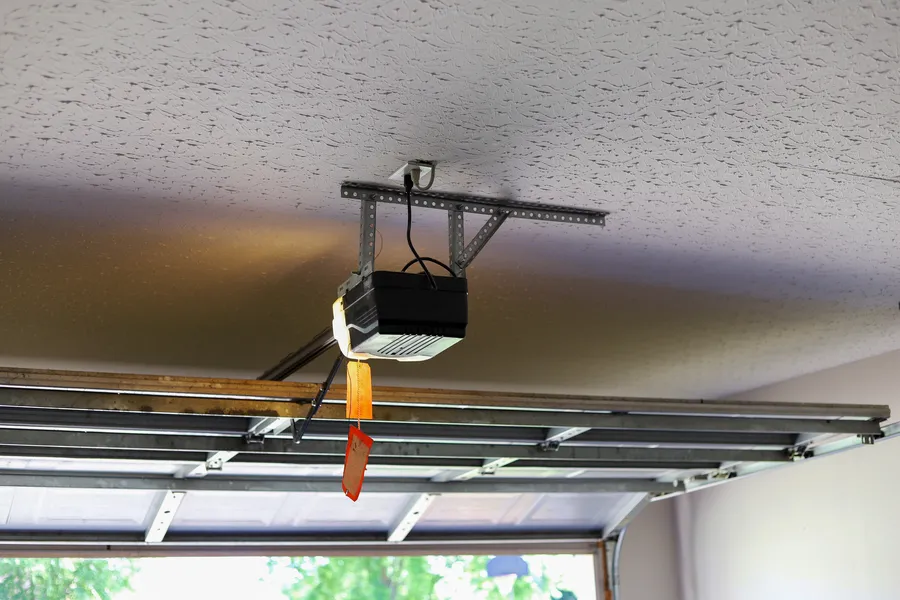
Several issues appear again and again during opener changes. These problems often come from rushing or skipping steps. Misaligned tracks create noise and jerky motion. Loose mounting causes vibration. Wrong force settings can crush objects or fail to close. Sensor wires may hang loose or cross paths. Many people also forget to secure the emergency release rope. Each problem lowers safety and system life if ignored.
Pros and Cons of DIY Versus Professional Help
- DIY work can save upfront costs but carries higher risk of mistakes
- Professional service costs more but includes accurate setup and testing
- DIY installs may void warranties if steps are missed
- Professional installs often include safety checks and cleanup
Step-by-Step Process That Reduces Errors
- Measure door height, weight, and track condition
- Choose an opener with correct lifting power
- Secure the ceiling mount into solid framing
- Align the rail straight with the door center
- Set travel limits and force controls correctly
- Test safety sensors and auto-reverse features
Best Practices That Experts Follow Every Time
- Use manufacturer guides instead of guessing
- Tighten hardware with proper torque, not by feel
- Keep wiring clear of moving parts
- Balance the door before connecting the motor
- Test the system weekly after installation
Standards and Safety Rules You Should Never Ignore
Federal safety rules require automatic reverse systems on openers made after 1993. This feature stops the door if it hits an object. Photo-eye sensors must sit near the floor and face each other. Local building codes may also apply to electrical connections. Using grounded outlets and proper brackets is required. Following these standards protects people, pets, and property from harm.
Cost Factors and Long-Term Value Considerations
Price depends on drive type, motor power, and added features. Belt drives cost more but run quieter. Chain drives cost less but make more noise. Smart features add cost but improve control. Paying a bit more for correct hardware reduces future repairs. Long-term value comes from fewer breakdowns and steady performance rather than lowest upfront price.
Smart Next Steps for Reliable Opener Results
Located in Summerville, SC, we help homeowners avoid costly setup errors. All About Garage Doors & More, LLC focuses on safe, code-compliant solutions that last. Our team handles sizing, mounting, and testing with care. We use clear steps and proven standards on every project. Call (843) 514-8913 to discuss your needs and timing with a reliable service team.