

How to Decide If Fixing the System Makes More Sense Than Buying New
Garage door openers fail in many ways. Some problems seem small, while others disrupt daily routines. Many homeowners feel stuck when the door stops working. The big question often comes fast. Should you fix the current unit or replace it? The right answer depends on safety, cost, age, and use. Understanding these factors helps you avoid wasted money and future trouble. This guide explains clear signs that point toward fixing instead of replacing, using real service insights and common industry guidance.
Understanding How Minor Issues Affect Performance
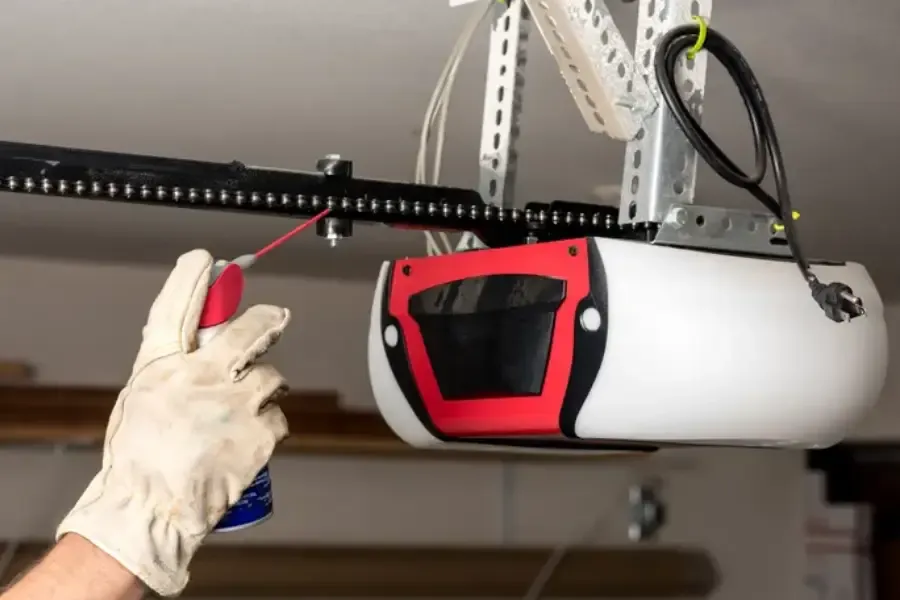
Many opener problems start small and stay grouped in one system. Loose wiring, worn gears, or faulty wall controls can limit function. In these cases, garage door opener repair can restore full use without major cost. Technicians often see these issues in units under ten years old. The motor still works well. The frame remains solid. Fixing these parts helps extend lifespan and avoid landfill waste.
Benefits of Fixing Instead of Replacing Early
Choosing garage door opener repair can save money and time. Repairs usually cost far less than new installation. You also keep existing rails, sensors, and power supply. Benefits often include:
- Lower upfront expense compared to a full replacement
- Short service time that avoids long downtime
- Less risk of compatibility problems with older doors
- Reduced waste and environmental impact
Common Problems That Do Not Require Full Replacement
Not every failure signals the end of the system. Many common faults affect only one area. These issues often look serious but remain easy to fix. Typical repair-friendly problems include stripped drive gears, worn belts, damaged circuit boards, or sensor misalignment. These parts are replaceable on most standard models. If the motor hums or the door moves unevenly, a targeted fix often solves it.
How Technicians Evaluate Whether A Fix Is Enough
Professionals follow a specific process before recommending work. This process helps avoid unsafe systems. A typical evaluation includes:
- Checking the motor load and heat levels
- Inspecting safety sensors and reverse function
- Testing remotes, wall controls, and wiring
- Reviewing the opener age and usage frequency
If these checks show solid core structure, repair remains the safer choice.
Best Practices That Help Extend Opener Lifespan
Simple care steps reduce future breakdowns. Following best practices keeps stress low on moving parts. Homeowners can help by:
- Keeping rails clean and free of debris
- Testing safety reversal once each month
- Replacing remote batteries before failure
- Scheduling periodic system inspections
These steps reduce strain and delay the need for a new unit.
Industry Safety Standards and Compliance Rules
Modern openers must meet federal safety rules. Since 1993, all systems require photo-eye sensors. These stop the door when an object blocks the path. If an older unit already meets these standards, repair stays viable. Units that lack safety features often require replacement. Compliance matters most when safety parts fail or cannot be upgraded.
Cost Factors That Influence the Smart Choice
Cost decisions should balance short-term savings and future risk. Repairs often range between a small service fee and part cost. Replacement includes new hardware, labor, and setup time. If repair costs exceed half the price of new, replacement makes more sense. Age also matters. Units past fifteen years may face repeat failures.
Making A Confident Decision With Expert Help
Every home uses garage doors differently. Frequency, door weight, and climate all affect wear. Expert advice removes guesswork and risk. The goal is safe function without overspending. Knowing when to fix or replace protects your home and daily routine.
Trusted Help With Garage Door Opener Decisions
Located in Summerville, SC, we help homeowners decide the right path with clear guidance. All About Garage Doors & More, LLC focuses on safe, cost-aware solutions that fit each situation. We inspect systems fully before advising any work. Call (843) 514-8913 to schedule service or ask questions. We aim to keep systems working longer and households moving without stress.