

Understanding Risks and Proper Handling With Heavy Tension Systems
Garage door springs store strong force that helps lift heavy doors. When handled wrong, they can cause serious injury or damage. Many homeowners underestimate this risk and rush into fixes without planning. You should know where dangers exist before touching any part. This guide explains why these systems fail, what hazards appear, and how to reduce risk. Clear safety planning protects your hands, tools, and home. Learning proper steps before action keeps small problems from turning into emergencies.
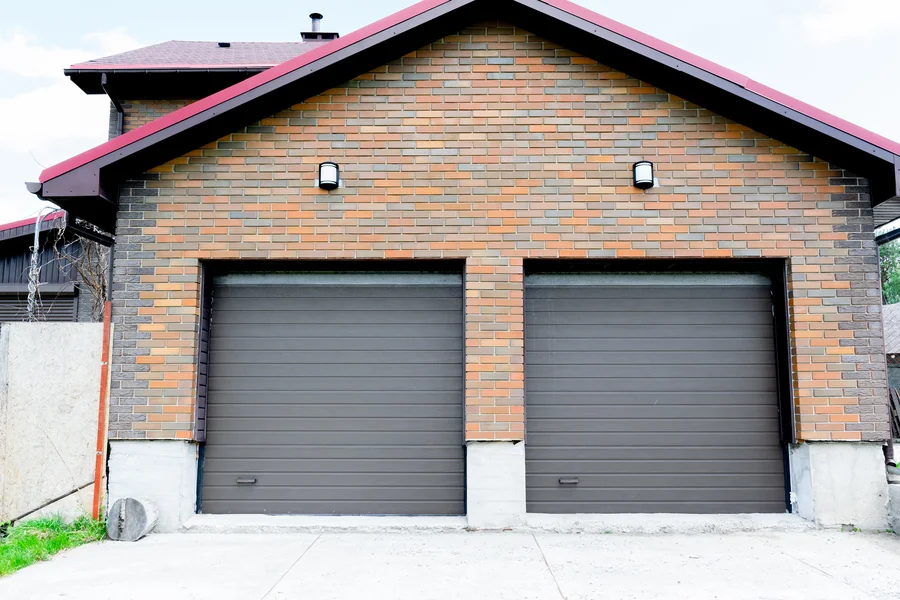
Why Spring System Safety Matters With High Stored Energy
Garage Door Spring Repair involves parts under extreme tension at all times. A single slip can release force faster than you can react. Broken springs can snap, fly, or crush fingers. This risk rises when tools do not fit or safety gear is missing. Knowing the danger helps you slow down and plan each move. Many injuries happen during quick fixes without protection. Treat these components with care and respect at every step.
Key Benefits of Careful Handling With Proper Preparation
Garage Door Spring Repair done with safety planning lowers injury risk and avoids property damage. Careful handling also extends the door system life. You protect tracks, cables, and openers from stress damage. Safe work reduces repeat failures and costly future repairs. Homeowners also gain peace of mind during testing and daily use. Proper preparation leads to smoother door movement and fewer sudden breakdowns.
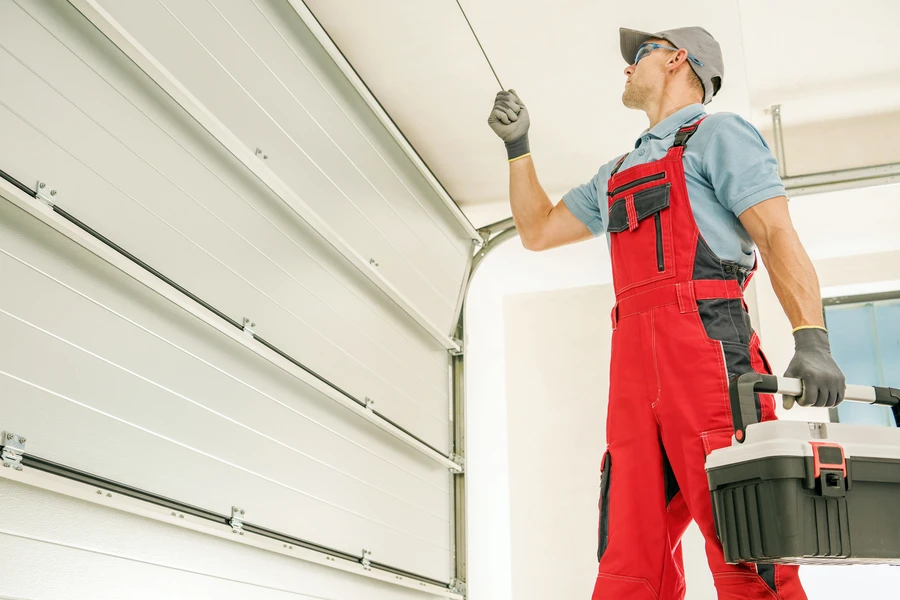
Common Problems Found With Worn or Damaged Springs
Springs fail due to wear, rust, or poor balance. Doors may slam shut or refuse to open. Loud bangs often signal a break. Gaps in coils show metal fatigue. Uneven door movement strains the opener motor. These problems increase safety risks quickly. Ignoring early signs often leads to sudden and dangerous failure.
Steps to Reduce Risk With Basic Safety Procedures
- Disconnect power to the opener before any inspection work
- Secure the door in place using locking pliers or clamps
- Use winding bars made for spring systems
- Wear eye protection and thick gloves during handling
- Stand to the side when adjusting tension
Best Practices Used by Professionals With Proven Results
- Inspect cables and drums before adjusting tension
- Replace springs in pairs for balanced operation
- Lubricate metal parts to reduce friction and noise
- Test door balance after any adjustment
Industry Rules and Standards With Clear Safety Limits
Many manufacturers follow standards set by the Door and Access Systems Manufacturers Association. These rules guide torque limits and cycle ratings. Building codes may require safety cables on extension systems. Following standards reduces accident risk and ensures long term reliability. Using rated parts also protects warranties and insurance coverage.
Cost Factors and Risk Comparison With DIY Versus Professional Help
- DIY pros: lower upfront cost and flexible timing
- DIY cons: higher injury risk and possible mistakes
- Professional pros: trained handling and warranty coverage
- Professional cons: higher service cost
When Expert Help Makes Sense With Serious Safety Concerns
If you see severe rust, broken coils, or heavy doors, expert help matters. Professionals have tools designed for high tension systems. They also spot hidden issues early. This approach often saves money over repeated fixes. Choosing help during risky situations protects your household and property.
Trusted Help and Next Steps With Safe Repair Choices
Located in Summerville, SC, we help property owners stay safe during complex spring issues. All About Garage Doors & More, LLC focuses on careful inspection and proven handling methods for every job. Call (843) 514-8913 to discuss safe options and scheduling with trained technicians. We follow industry standards and protect homes through every repair step.