

How Tension Systems Control Balance, Safety, and Daily Door Movement
Garage door springs do most of the hard work every time your door moves. They carry the weight, control balance, and keep motion steady. Without springs, a garage door would feel impossible to lift. Many homeowners never see these parts, yet they affect safety and daily use. Understanding how springs function helps you spot issues early. This knowledge can prevent damage and reduce safety risks. When you know what to watch for, you make better choices for care and service.
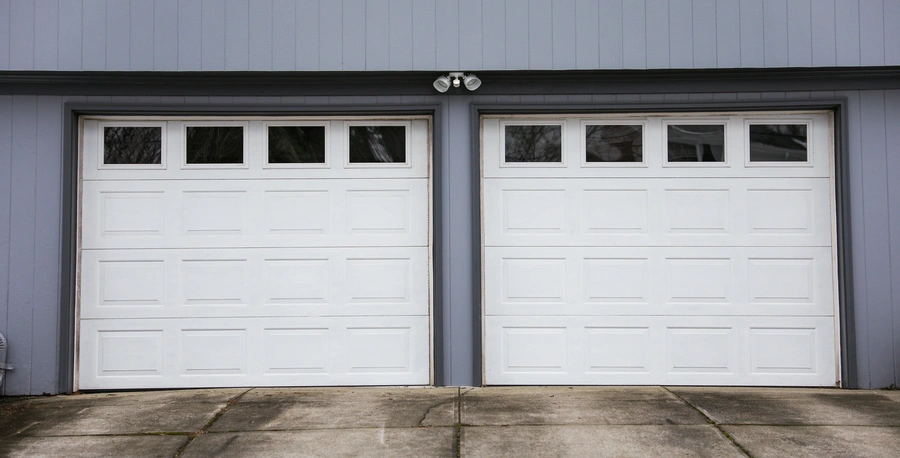
How Torsion and Extension Springs Create Lift
Garage door springs store energy when the door closes and release it during opening. This balance allows smooth motion and reduces strain on parts. In many homes, garage door spring repair becomes necessary when tension drops or metal fatigues. Torsion springs mount above the door and twist to create force. Extension springs stretch along tracks and expand during movement. Both types work to counter the doors weight.
Why Proper Spring Balance Protects Motors and Tracks
Balanced springs protect openers, cables, and rollers from excess stress. When balance fails, garage door spring repair often follows due to uneven lifting. Motors work harder and wear faster. Tracks can bend and rollers may derail. Proper tension keeps parts aligned and reduces long term breakdowns. A balanced system also lowers noise during operation.
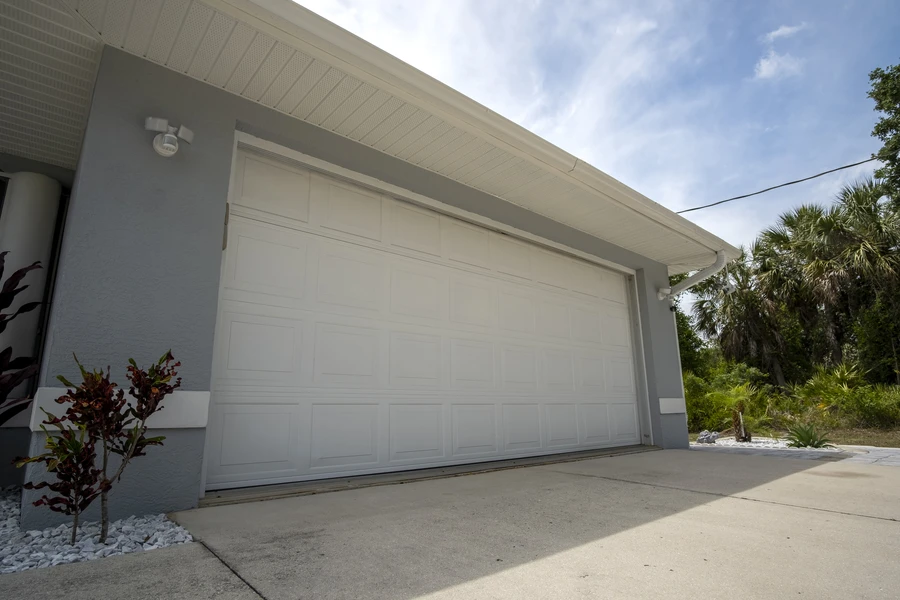
Key Benefits of Well Maintained Spring Systems
Maintained springs improve safety and daily performance. Consistent tension keeps movement smooth and controlled. Doors open with less effort and close without sudden drops. Benefits include reliable operation and fewer emergency issues.
- Reduced strain on the garage door opener
- Lower risk of sudden door failure
- Quieter opening and closing cycles
- Longer lifespan for cables and rollers
Common Problems Homeowners Face With Aging Springs
Springs wear down due to repeated use and metal fatigue. Many springs last between seven and ten years. Cold weather can cause cracking or snapping. Rust increases friction and weakens steel. Signs include uneven lifting, loud bangs, or slow movement. Ignoring these clues can lead to full system failure.
Steps Professionals Use to Restore Proper Tension
Correcting spring tension follows a careful process. These steps protect both the door and surrounding hardware.
- Disconnect power to prevent accidental activation
- Secure the door to stop sudden movement
- Measure door weight and spring size
- Adjust or replace springs to match specifications
- Test balance and complete safety checks
Best Practices That Improve Safety and Reliability
Daily use demands consistent care and attention. Simple habits extend system life and prevent emergencies.
- Schedule yearly inspections for metal fatigue
- Lubricate springs with approved products
- Keep tracks clear from debris buildup
- Address balance issues as soon as noticed
Standards, Costs, and Long Term Value
Industry standards require springs rated for door weight and cycle count. Using incorrect sizes creates safety risks. Costs vary based on spring type, door size, and labor. Investing in quality parts reduces repeat service needs. Proper installation brings better return through reliability and fewer breakdowns.
Trusted Help for Safe Spring Performance
Located in Summerville, SC, we understand the risks tied to worn or unbalanced springs. All About Garage Doors & More, LLC focuses on safe solutions that protect doors, openers, and households. Call (843) 514-8913 to schedule professional service and system checks. We work together to improve safety, extend system life, and keep daily operation smooth.